this is where I long to be
(la isla bonita)

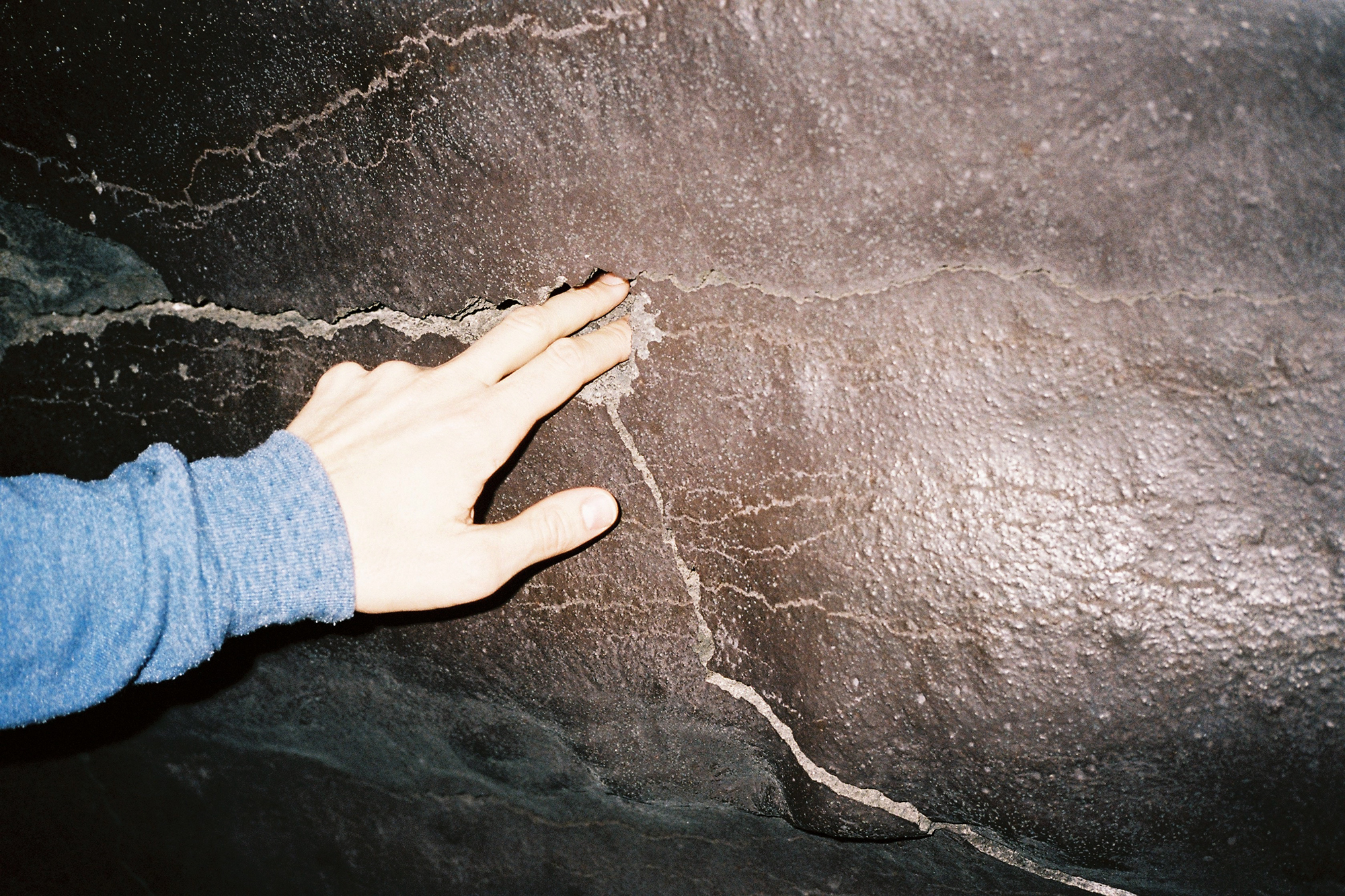


This series is a search for what a desirable queer territory might look like. A space where the functions assigned to things, bodies and places are suspended, and where the useless, the unstable and the failed stop being faults and become conditions of possibility. It borrows from a camp sensibility, which Susan Sontag defines as a love of “artifice and exaggeration”; from what Jack Halberstam calls the queer art of failure, the idea that not succeeding by the usual standards can open up other possibilities; and from the utopia that José Esteban Muñoz views as something not yet here but already visible on the horizon. A heterotopia, in short: a laboratory running at the margins of the productive world.
To picture this ideal place, I drew on a real territory, the Canary Islands, where I have been returning for fifteen years, and on the aspects of the archipelago I am most fond of.
These islands are volcanic, unstable and remote. Decades of welcoming visitors and residents from across Europe, and ties with Latin America, have helped shape a culture known for its openness, including on gender and sexuality (the islands were among the first regions of Spain to protect trans rights by law). They have been a destination for LGBTQ+ tourism for decades, and a unique queer culture has grown around it. They also maintain one of the largest carnival traditions in the world, which suspends everyday life for weeks in almost every town, inverts gender roles and mocks religious order. Since the 1960s their economy has relied on mass tourism, which lined the coasts with hotels, resorts and commercial structures, many of them now abandoned and stripped of their purpose; in their derelict state they read as ruins for the future awaiting other uses.
Combining film and digital photographs, Super 8 frames, video stills and found images, the series assembles these elements into a visual study of an alternative way of being: a laboratory where other ways of living can be tried out.